



The Parking Shortfall Adaptive Reuse Developers Don’t See Coming
 Tweet
Tweet Share
Share E-mail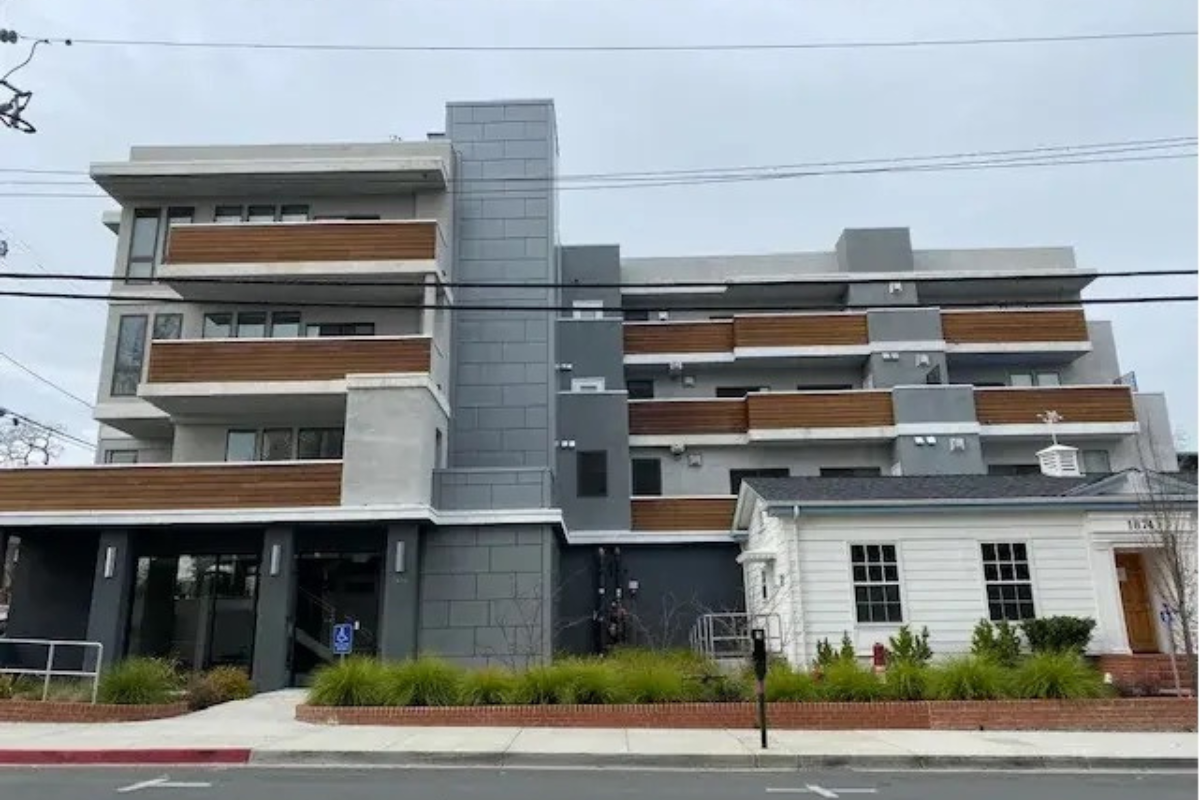
When a developer buys an existing building and changes its use, the parking requirement almost never stays where it started. Municipal codes typically ask more of a residential conversion than they did of the office or retail use its replacing, and the developer is left holding a structure that was sized for a different set of numbers.
That gap showed up on a multifamily conversion in downtown Walnut Creek, California, in the citys Golden Triangle district, a few blocks from the shops, restaurants, and Downtown Trolley that made the location worth converting in the first place. The building already had a dedicated parking garage. It just wasnt built to hold the space count the new residential use required, and there was no adjacent land to expand into.
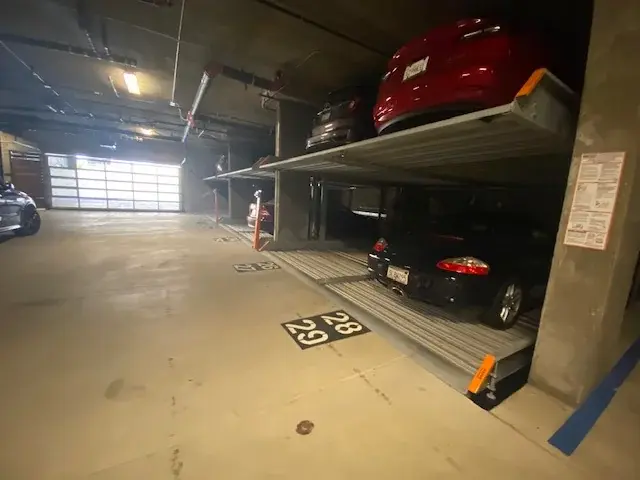
Instead of demolishing the existing structure and starting over, the developer worked with Christopher Tiessen, President/CEO of KLAUS Multiparking America, on a way to add capacity inside the garages existing walls. The project installed MultiBase 2072i automated systems, with one parking level set into a pit and a second stacked above it, a layout that added a full tier of spaces without requiring excavation for an entirely new underground level.
“The developers who see the greatest opportunities are those who evaluate the parking strategy early,” says Tiessen. “Running the parking numbers before acquiring a property can reveal opportunities to maximize space, improve project economics, and make more informed investment decisions.”
The requirement mismatch, Tiessen notes, is easy to underestimate at the offer stage. Office and retail uses tend to carry lighter parking requirements than residential does in most jurisdictions, he says. So a use change can hand a developer a shortfall they werent budgeting for, on a site that has nowhere left to grow.
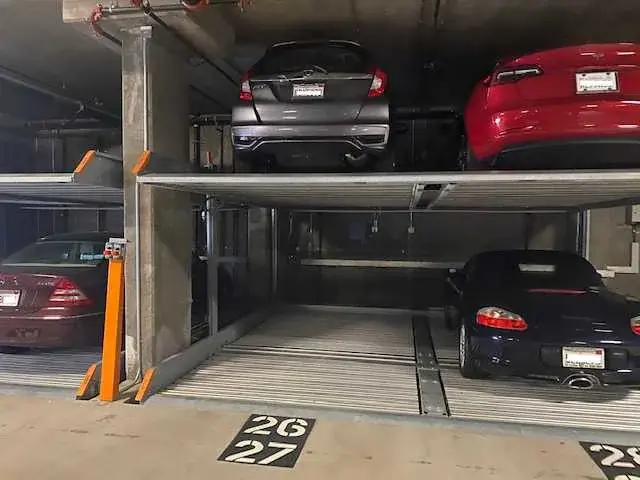
What changes the outcome, in Tiessens view, is whether the existing garage gets treated as something to work with or something to remove. Tearing out a structure and rebuilding underground is the most expensive and most disruptive way to close a parking gap, he says. Every level you can recover inside whats already there is a level you dont have to excavate, finance, or explain to a lender.
As more office and retail buildings convert to residential use in built-out downtowns, the Walnut Creek project points to a pattern adaptive reuse developers are increasingly running into before their first shovel goes in the ground.
This article is based on information provided by the expert source cited above. It is intended for general informational purposes only and does not constitute legal, financial, or real estate advice. Readers should conduct their own research and consult qualified professionals before making any real estate or financial decisions.
Disclosure: Individuals or companies mentioned may have a commercial relationship with KeyCrew.
Serious News for Serious Traders! Try StreetInsider.com Premium Free!
You May Also Be Interested In
- KeyBanc bullish on Airbnb, sees hotels as second growth engine
- Dogecoin and Zcash News Collide With Remittix’s BINANCE500 Bonus Offer
- KBRA Assigns AA Rating, Stable Outlook to the Metropolitan Transportation Authority, NY Transportation Revenue Refunding Green Bonds, Series 2026A (Climate Bond Certified)
Create E-mail Alert Related Categories
KeyCrew, Press ReleasesSign up for StreetInsider Free!
Receive full access to all new and archived articles, unlimited portfolio tracking, e-mail alerts, custom newswires and RSS feeds - and more!
